7 Best Corded Drills in 2027: Reviews & Buying Guide
Drillez is reader-supported. As an Amazon Associate, Drillez earns from qualifying purchases. Learn more.
A corded drill never runs out of battery. It costs less than a comparable cordless kit, it delivers the same power from the first hole to the last, and with no battery to wear out it can last for many years. If you usually work near an outlet — in a garage, a workshop, a basement or a room you are renovating — a corded drill is often the smarter and cheaper choice.
In this guide we compare 7 corded drills that are still sold today, each chosen for a different kind of user: an all-round drill for most people, heavy-duty 1/2-inch drills for large holes, a low-speed drill for mixing and hole saws, a right-angle drill for tight spaces, and affordable options for home DIY and light jobs. We also explain how to choose the right amperage, chuck size and speed, and answer the most common questions about corded drills.
How we put this list together: we have not hands-on tested these drills. We compared them on the specifications and features published by the manufacturers, checked that each model is currently available, and matched each drill to the job it is built for. Where a listing gives a number, we quote it; where it does not, we do not guess.
Quick Picks
- Best overall: DEWALT DWD112 (8 Amp, 3/8″)
- Best heavy-duty: DEWALT DWD210G (10 Amp, 1/2″)
- Best for large bits and mixing: Makita 6302H (6.5 Amp, 1/2″, 0–550 RPM)
- Best value 1/2″ drill: SKIL DL181901 (7.5 Amp, 1/2″)
- Best for home DIY: CRAFTSMAN CMED731 (7 Amp, 3/8″)
- Best right-angle drill: Makita DA3010F (4 Amp, 3/8″)
- Best budget: BLACK+DECKER DR260C (5.5 Amp, 3/8″)
Comparison of the Best Corded Drills in 2027
| Drill | Motor | Chuck | Max speed | Handle style | Best for |
|---|---|---|---|---|---|
| DEWALT DWD112 | 8 Amp | 3/8″ keyless, all-metal | 2,500 RPM | Pistol grip | All-round use |
| DEWALT DWD210G | 10 Amp | 1/2″ keyed | 1,250 RPM | Pistol grip + side handle | Heavy-duty drilling |
| Makita 6302H | 6.5 Amp | 1/2″ keyed | 550 RPM | Pistol grip | Large bits, mixing |
| SKIL DL181901 | 7.5 Amp | 1/2″ keyed | 950 RPM | Pistol grip + side handle | Value 1/2″ drill |
| CRAFTSMAN CMED731 | 7 Amp | 3/8″ keyless | 2,500 RPM | Pistol grip | Home DIY |
| Makita DA3010F | 4 Amp | 3/8″ | 2,400 RPM | Right angle | Tight spaces |
| BLACK+DECKER DR260C | 5.5 Amp | 3/8″ | 1,500 RPM | Pistol grip | Budget, light jobs |
Which Corded Drill Should You Buy? Match the Drill to the Job
If you are still unsure, start with the jobs you do most often. This table matches common projects with the drill in this guide that suits them best.
| Your main job | Recommended drill | Why |
|---|---|---|
| General DIY: shelves, furniture, pilot holes | DEWALT DWD112 or CRAFTSMAN CMED731 | Fast 2,500 RPM and a keyless 3/8″ chuck |
| Large holes with hole saws or auger bits | DEWALT DWD210G | 10 Amp motor, 1/2″ chuck and side handle |
| Mixing paint, thin-set or grout (small batches) | Makita 6302H | Low 550 RPM top speed for control |
| Occasional big holes on a budget | SKIL DL181901 | 1/2″ chuck and side handle at a lower price |
| Drilling between studs, joists or inside cabinets | Makita DA3010F | Compact right-angle head |
| Light jobs and occasional use | BLACK+DECKER DR260C | Lowest cost and compact size |
| Concrete, brick or stone | A hammer drill (see our hammer drill guides) | Standard drills are not built for masonry |
If you can only buy one drill and you are not sure what jobs will come up, a 3/8-inch drill with 7–8 Amp and a keyless chuck is the safest choice. Add a 1/2-inch drill later if you start working with large bits.
7 Best Corded Drills for 2027: Detailed Reviews
1. DEWALT DWD112 8 Amp 3/8″ VSR Pistol-Grip Drill
Best for: Most people who want one reliable corded drill for wood, metal and fastening.
| Specification | Details |
|---|---|
| Motor | 8 Amp |
| Chuck | 3/8″ all-metal, ratcheting, keyless |
| Speed | 0–2,500 RPM, variable speed reversible (VSR) |
| Construction | All ball bearing |
| Weight (listed) | 4.1 lb |
The DWD112 is a classic all-rounder and our pick for most readers. An 8 Amp motor is plenty for everyday drilling in wood, plywood, plastic and light metal, and a top speed of 2,500 RPM means small and medium holes go quickly and cleanly.
Its biggest everyday advantage is the chuck. The 3/8-inch chuck is all metal, keyless and ratcheting, so you can tighten and release bits by hand without hunting for a chuck key, while the ratchet helps the chuck hold bits more firmly. The variable-speed reversing trigger lets you slow down to start holes accurately or to drive and remove screws.
DEWALT describes the drill as having an all-ball-bearing construction for greater durability and longer tool life, and the soft-grip pistol handle gives a larger, more comfortable gripping surface for long sessions.
Key features
- 8 Amp motor for general and heavy everyday tasks
- Keyless ratcheting metal chuck for fast bit changes and better grip
- 0–2,500 RPM VSR trigger for both drilling and driving
- Ball bearing construction for durability
Pros
- Fast top speed for clean holes in wood
- Keyless all-metal ratcheting chuck
- Compact, comfortable pistol grip
- Trusted brand with wide service network
Cons
- 3/8″ chuck limits very large bits
- No side handle for high-torque work
- Not designed for masonry
Who should buy it: Homeowners, woodworkers and tradespeople who want a dependable everyday drill and mostly use bits up to 3/8 inch.
Who should skip it: You regularly bore large holes with hole saws or auger bits — choose a 1/2-inch drill instead.
2. DEWALT DWD210G 10 Amp 1/2″ Pistol-Grip Drill
Best for: Heavy-duty drilling with large bits, hole saws and auger bits.
| Specification | Details |
|---|---|
| Motor | 10 Amp |
| Chuck | 1/2″ keyed |
| Speed | 0–1,250 RPM, variable speed reversing |
| Handle | 360° locking side handle with soft grip |
| Housing | Metal gear housing |
| Warranty (listed) | 3 years |
If your work involves big holes, the DWD210G is the most powerful drill in this guide. Its 10 Amp motor and 1/2-inch keyed chuck are made for hole saws, self-feed and auger bits, large spade bits, and drilling through thick lumber or steel — jobs that can stall a smaller drill.
DEWALT states that its motor design delivers 50% more power with increased overload protection. The top speed is lower than a 3/8-inch drill at 1,250 RPM, but that is intentional: large bits need lower speed and higher torque to cut well and stay cool.
Control matters with this much power. The 360-degree locking side handle lets you brace the drill with both hands, so if a large bit catches, the drill is less likely to twist out of your grip. A metal gear housing adds jobsite durability.
Key features
- 10 Amp motor with overload protection
- 1/2″ keyed chuck for large-shank bits
- 360° side handle for two-handed control
- Metal gear housing for durability
Pros
- Most powerful motor in this list
- Handles hole saws and large bits
- Side handle improves safety and control
- 3-year listed warranty
Cons
- Keyed chuck is slower for bit changes
- Heavier and bulkier than 3/8″ drills
- Lower top speed for small holes
Who should buy it: Contractors, electricians, plumbers, remodelers and serious DIYers who drill large holes often.
Who should skip it: You mostly hang shelves and assemble furniture — its weight and keyed chuck are overkill for light jobs.
3. Makita 6302H 6.5 Amp 1/2″ Drill
Best for: Low-speed, high-control work: large bits, hole saws and paddle mixing.
| Specification | Details |
|---|---|
| Motor | 6.5 Amp |
| Chuck | 1/2″ industrial keyed chuck |
| Speed | 0–550 RPM, variable speed |
| Weight (listed) | 4.8 lb |
| Warranty (listed) | 1 year |
The Makita 6302H takes a different approach from most drills: it turns slowly. With a top speed of 550 RPM, it is built for jobs where control matters more than speed, such as large-diameter bits, hole saws and mixing small batches of thin-set, grout or paint with a paddle.
Low speed helps large bits cut instead of burning, reduces heat, and gives you more time to react if a bit binds. Makita describes the motor as built for heavy-duty continuous work, and the 1/2-inch industrial chuck holds large shanks securely.
Despite its 1/2-inch capacity, the 6302H stays relatively compact at a listed 4.8 lb. A large, easy-to-reach reversing switch and a lock-on button make long drilling or mixing sessions less tiring.
Key features
- 0–550 RPM low-speed design for control
- 1/2″ industrial keyed chuck
- Lock-on button for continuous work
- Large reversing switch
Pros
- Excellent control with big bits and hole saws
- Good for light mixing jobs
- Compact for a 1/2″ drill
- Lock-on button for long jobs
Cons
- Too slow for small bits and fast drilling
- Shorter listed warranty (1 year)
- No side handle mentioned in the listing
Who should buy it: Anyone who regularly uses large bits, hole saws or paddle mixers and wants control rather than speed.
Who should skip it: You need one drill for everything — its low speed makes small holes slow.
4. SKIL DL181901 7.5 Amp 1/2″ Corded Drill
Best for: Getting 1/2-inch chuck capacity at a lower price.
| Specification | Details |
|---|---|
| Motor | 7.5 Amp |
| Chuck | 1/2″ heavy-duty keyed |
| Speed | Up to 950 RPM, variable speed |
| Handle | Side assist handle |
| Extras | Built-in horizontal bubble level |
| Weight (listed) | 5.5 lb |
The SKIL DL181901 gives you the main things you want from a 1/2-inch drill — a large keyed chuck, a side handle and a 7.5 Amp motor — usually for less than professional brands. SKIL describes the motor as high-torque and suited to demanding projects.
A top speed of up to 950 RPM puts it between the fast 3/8-inch drills and the slow Makita 6302H. That makes it a flexible choice if you sometimes use large bits but still want reasonable speed for medium holes.
Two practical extras stand out. The built-in bubble level helps keep holes straight when drilling into walls or posts, and the two-finger variable-speed trigger gives finer control when starting a hole.
Key features
- 7.5 Amp high-torque motor
- 1/2″ heavy-duty keyed chuck
- Side assist handle for safety and accuracy
- Built-in bubble level for straight holes
Pros
- 1/2″ chuck at a value price
- Side handle included
- Built-in bubble level
- Two-finger variable speed trigger
Cons
- Heaviest drill in this list
- Keyed chuck needs a key for bit changes
- Lower top speed than 3/8″ drills
Who should buy it: DIYers who need a 1/2-inch drill for occasional large jobs without paying for a pro model.
Who should skip it: Weight matters to you or you work overhead a lot.
5. CRAFTSMAN CMED731 7 Amp 3/8″ Drill/Driver
Best for: Everyday home projects and general DIY.
| Specification | Details |
|---|---|
| Motor | 7 Amp |
| Chuck | 3/8″ keyless |
| Speed | Up to 2,500 RPM, variable speed |
| Trigger | Lock-on |
| Weight (listed) | 4.2 lb |
The CMED731 is a straightforward home drill with no unnecessary extras. A 7 Amp motor handles typical household jobs — drilling pilot holes, hanging shelves and TV mounts, building furniture and small woodworking projects.
The keyless 3/8-inch chuck makes bit changes quick, and a top speed of up to 2,500 RPM matches the DEWALT DWD112 for fast drilling with small bits. A lock-on trigger helps on repetitive tasks, such as drilling a row of holes.
For organized garages, the drill is compatible with CRAFTSMAN’s VERSATRACK wall storage system (the hook is sold separately).
Key features
- 7 Amp motor for household tasks
- 3/8″ keyless chuck for fast bit changes
- Up to 2,500 RPM variable speed
- Lock-on trigger for continuous use
Pros
- Keyless chuck for fast bit changes
- High top speed
- Lock-on trigger
- Fits VERSATRACK storage
Cons
- 3/8″ chuck only
- No side handle
- Fewer pro-grade features than the DEWALT DWD112
Who should buy it: Homeowners who want a solid, simple drill for repairs, furniture, shelves and general DIY.
Who should skip it: You need a 1/2-inch chuck or plan heavy contractor use.
6. Makita DA3010F 4 Amp 3/8″ Right-Angle Drill
Best for: Drilling in tight spaces, such as between studs and joists or inside cabinets.
| Specification | Details |
|---|---|
| Motor | 4 Amp |
| Chuck | 3/8″ |
| Speed | 0–2,400 RPM, variable speed, reversible |
| Size (listed) | 10-5/8″ long, 2-5/8″ head width |
| Weight (listed) | 3.5 lb |
| Extras | Paddle switch with speed-limiting dial; built-in clutch |
| Warranty (listed) | 1 year |
A standard pistol-grip drill cannot fit where the Makita DA3010F can. Its right-angle head is only 2-5/8 inches wide and the whole tool is 10-5/8 inches long, according to Makita, so it can drill between framing studs, inside cabinets and in other close quarters.
It is the lightest drill in this guide at a listed 3.5 lb, with a 4 Amp motor and variable speed up to 2,400 RPM. A paddle switch with a speed-limiting dial helps prevent over-tightening fasteners.
Unusually for a corded drill, it has a built-in clutch. Makita says the clutch is engineered to prevent gear damage by disengaging the gears if the bit binds.
Key features
- Right-angle head for tight spaces
- 0–2,400 RPM variable speed
- Speed-limiting dial on the paddle switch
- Built-in clutch that disengages if the bit binds
Pros
- Fits where pistol-grip drills cannot
- Lightest drill in this list
- Built-in clutch protects the gears
- Paddle switch with speed-limiting dial
Cons
- Lowest power (4 Amp)
- 3/8″ chuck only
- Specialist tool, not a main drill for most people
Who should buy it: Electricians, plumbers, cabinet installers and anyone who often drills in cramped spaces.
Who should skip it: This would be your only drill — start with a standard pistol-grip model.
7. BLACK+DECKER DR260C 5.5 Amp 3/8″ Drill/Driver
Best for: Light jobs around the house on a tight budget.
| Specification | Details |
|---|---|
| Motor | 5.5 Amp |
| Chuck | 3/8″ |
| Speed | Up to 1,500 RPM, variable speed |
| Extras | On-board bit storage; double-ended screwdriving bit included |
| Warranty (listed) | 2 years |
The DR260C is a compact, low-cost corded drill for light drilling and screw driving. Its 5.5 Amp motor is modest, but it is enough for hanging pictures and shelves, assembling flat-pack furniture and small repairs in soft materials.
Variable speed up to 1,500 RPM gives you control when driving screws, and the compact body is easy to use in small spaces. On-board storage keeps a spare bit within reach, and BLACK+DECKER includes a double-ended screwdriving bit.
For the price, the listed 2-year warranty is a plus. Just keep your expectations realistic: this is a light-duty drill, not a tool for masonry, steel or large bits.
Key features
- 5.5 Amp motor for light tasks
- Variable speed up to 1,500 RPM
- On-board bit storage
- Compact design for small spaces
Pros
- Lowest-cost option
- Compact and easy to handle
- On-board bit storage
- 2-year listed warranty
Cons
- Least powerful standard drill here
- Not for masonry or large bits
- Lower top speed than the DEWALT and CRAFTSMAN
Who should buy it: First-time buyers, renters, students and anyone who needs a drill for occasional light jobs.
Who should skip it: You plan regular DIY projects — the CRAFTSMAN or DEWALT will serve you longer.
How to Choose the Best Corded Drill: Buying Guide
The right corded drill depends on what you plan to drill, how often you use it and how large your bits are. These are the features that matter most.
1. Amperage (motor power)
Corded drills are rated in amps, which tells you how much current the motor draws. More amps generally means more power under load. As a rough guide:
| Amperage | Typical use |
|---|---|
| 4–6 Amp | Light household jobs, small bits, screw driving, specialist tools such as right-angle drills |
| 6–8 Amp | All-round DIY and everyday drilling in wood, plastic and light metal |
| 8–10+ Amp | Heavy-duty work: hole saws, auger bits, thick hardwood and steel |
2. Chuck size: 3/8 inch or 1/2 inch
The chuck size is the largest bit shank the drill can hold. A 3/8-inch chuck is enough for most household drilling and keeps the drill lighter and faster. A 1/2-inch chuck accepts larger bits, hole saws and mixing paddles, and is the right choice for heavy work. Note that many large bits have reduced shanks, so check the shank size of the bits you plan to use.
3. Keyed vs keyless chuck
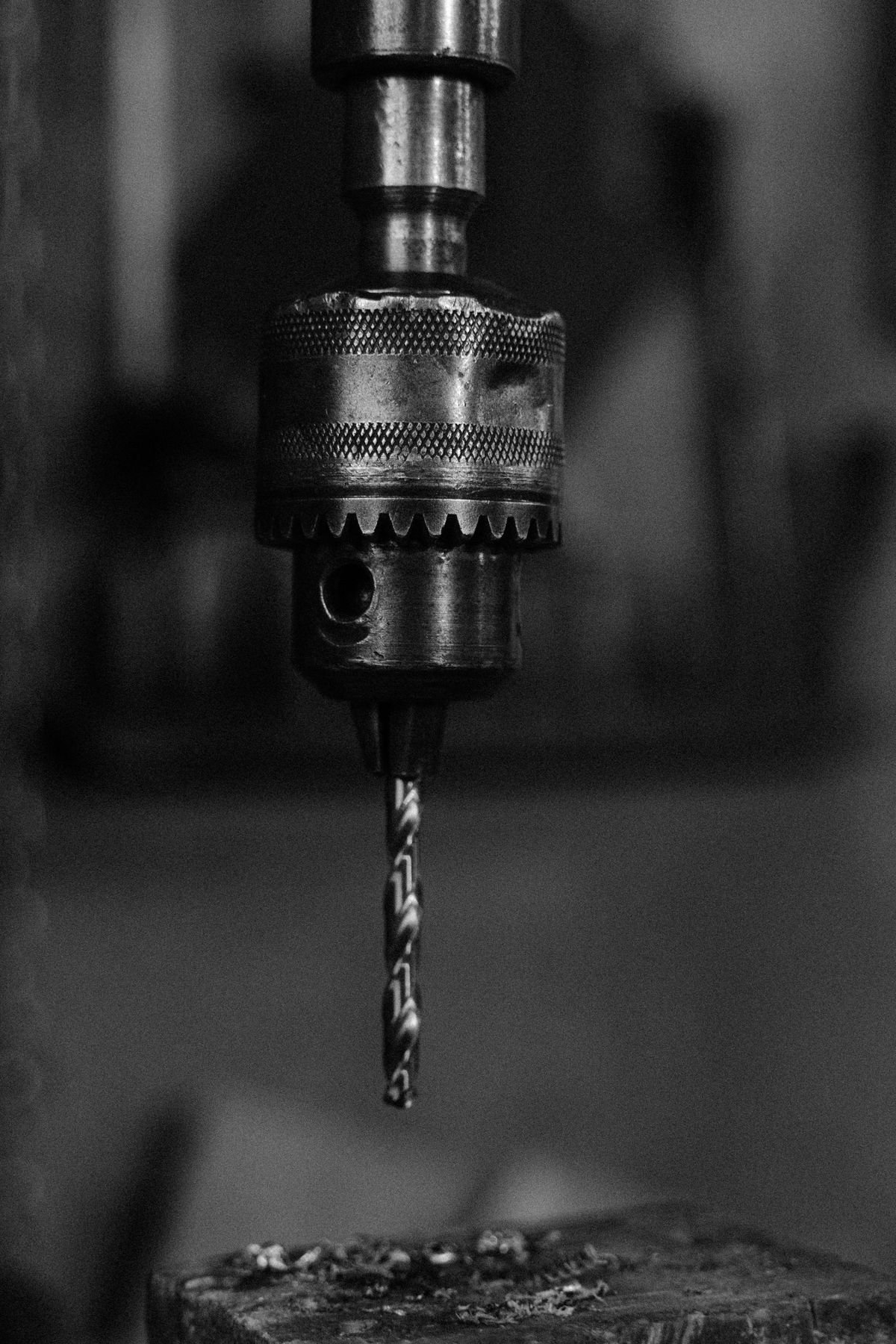
| Chuck type | Advantages | Disadvantages |
|---|---|---|
| Keyless | Fast, tool-free bit changes; no key to lose | May grip less firmly under very high torque |
| Keyed | Very strong grip on large bits under high torque | Slower bit changes; you need the chuck key |
As a rule, keyless chucks suit everyday 3/8-inch drills, while keyed chucks are common on powerful 1/2-inch drills.
4. Speed (RPM) and variable speed
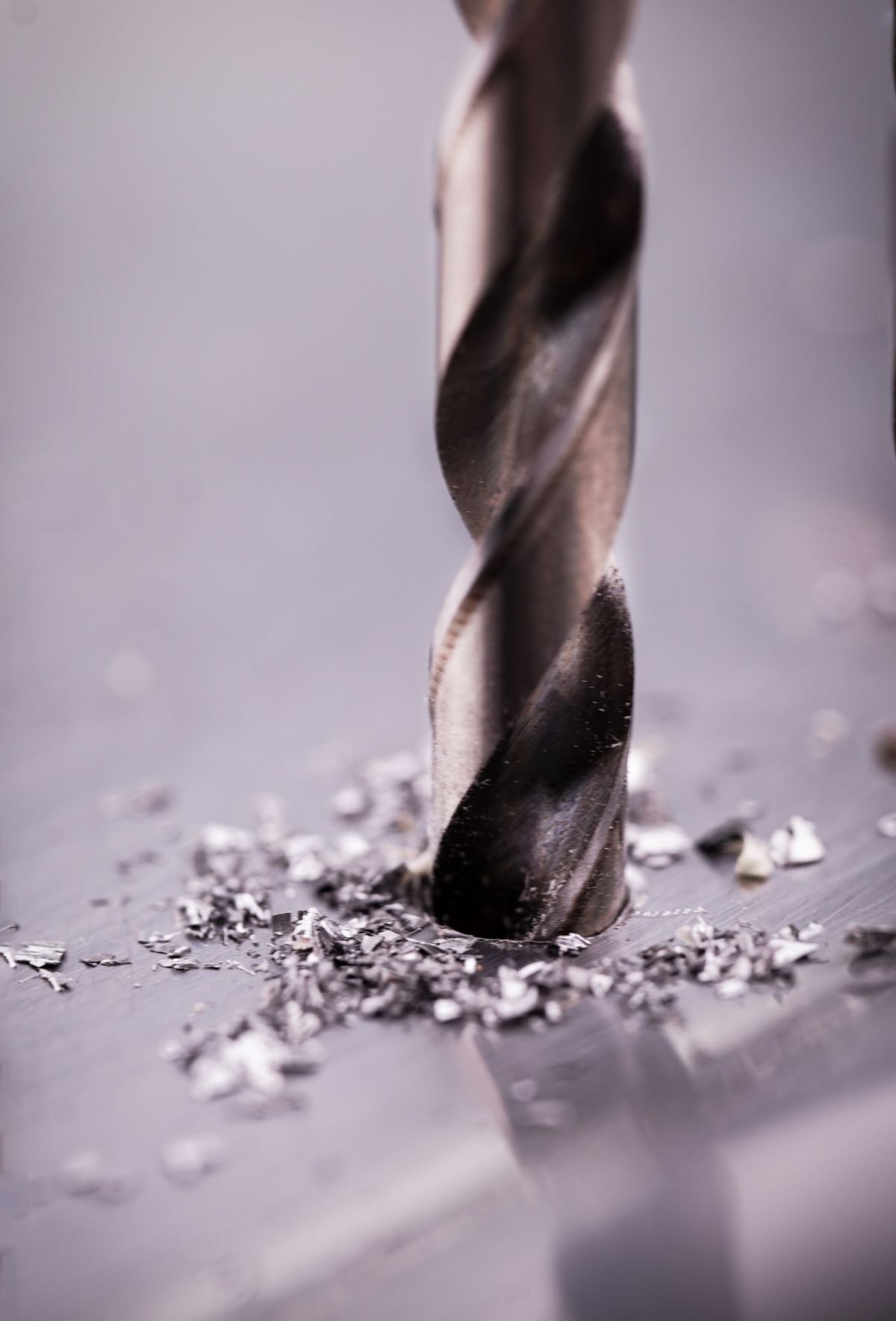
Speed is measured in revolutions per minute (RPM). Small bits and soft materials work best at higher speeds; large bits, hole saws and hard materials such as metal need lower speeds. A variable-speed trigger — standard on every drill in this list — lets you start slowly for accuracy and then increase speed.
| Job | Recommended speed |
|---|---|
| Small bits in wood or plastic | High speed |
| Driving screws | Low speed, then increase gently |
| Drilling metal | Low to medium speed, with cutting oil for steel |
| Large spade bits, auger bits, hole saws | Low speed |
| Mixing paint, thin-set or grout | Low speed |
5. Handle style
- Pistol grip: the most common style; compact and easy to control for everyday jobs.
- Pistol grip with side handle: adds a second handle for two-handed control with powerful drills and large bits.
- Right-angle: a short head for drilling between studs, joists and inside cabinets.
- Spade or D-handle: used on heavy mixing and large-bore drills for maximum leverage.
6. Reverse function
A reversing switch lets you back out screws and free a stuck bit. All the drills in this list are reversible.
7. Weight and size
A lighter drill is less tiring when working overhead or for long periods. In this list, listed weights range from 3.5 lb (Makita DA3010F) to 5.5 lb (SKIL DL181901). Powerful 1/2-inch drills are naturally heavier.
8. Clutch
Most corded drills do not have the adjustable clutch you find on cordless drill/drivers, so you control screw depth with the trigger. If you drive many screws, start slowly and stop as the screw head seats. The Makita DA3010F is an exception with a built-in clutch that disengages if the bit binds.
9. Hammer function
None of the drills in this list are hammer drills. A standard drill can make small holes in soft brick with a masonry bit, but for regular drilling into concrete, brick or stone you need a hammer drill. See our guide to the best corded hammer drills and best hammer drills for concrete. For anchors and bit sizes, see our guide on how to drill into a concrete wall.
10. Warranty and brand support
Listed warranties in this guide range from 1 to 3 years. Brands such as DEWALT, Makita, SKIL, CRAFTSMAN and BLACK+DECKER are widely available, which makes it easier to find parts, service and accessories.
Common Mistakes to Avoid When Buying a Corded Drill
- Buying for maximum RPM only. A high top speed looks good on paper, but large bits and metal need low speed and torque. Look at the whole package: amps, chuck size and speed range.
- Choosing a 1/2-inch drill you do not need. Large drills are heavier and slower for small holes. If you never use big bits, a 3/8-inch drill will be easier to handle.
- Expecting a standard drill to handle concrete. Without a hammer function, drilling masonry is slow and wears out bits. Buy a hammer drill for that job. Our guide on how to use a hammer drill covers the technique.
- Ignoring the side handle. With powerful drills and large bits, a side handle is a safety feature, not an extra.
- Using a thin, long extension cord. An undersized cord can reduce power and overheat. Follow the cord recommendation in the drill’s manual.
- Forgetting the bits. Cheap or dull bits make even a good drill perform badly. Budget for a quality bit set.
Corded vs Cordless Drill: Which Should You Buy?
| Factor | Corded drill | Cordless drill |
|---|---|---|
| Runtime | Unlimited while plugged in | Limited by battery |
| Power | Constant under load | Depends on battery charge and voltage |
| Portability | Needs an outlet or extension cord | Use anywhere |
| Cost | Usually lower | Higher, especially with batteries |
| Long-term upkeep | No batteries to replace | Batteries wear out over time |
| Best for | Workshop, renovation, long jobs | Quick jobs, ladders, outdoor work |
Many people end up owning both: a cordless drill/driver for quick jobs and a corded drill for long or heavy drilling. For a full comparison, read Corded vs Cordless Drill: Which Is the Best?
Which Brands Make the Best Corded Drills?
DEWALT and Makita are professional brands with a long history of corded drills, and both appear twice in this guide. SKIL and CRAFTSMAN offer good value for DIY users who want solid features at a lower price. BLACK+DECKER focuses on affordable tools for light household use. Prices change often, so check the current price on Amazon before you buy.
Essential Accessories for Your Corded Drill
A drill is only as good as the bits and accessories you use with it. These are worth having:
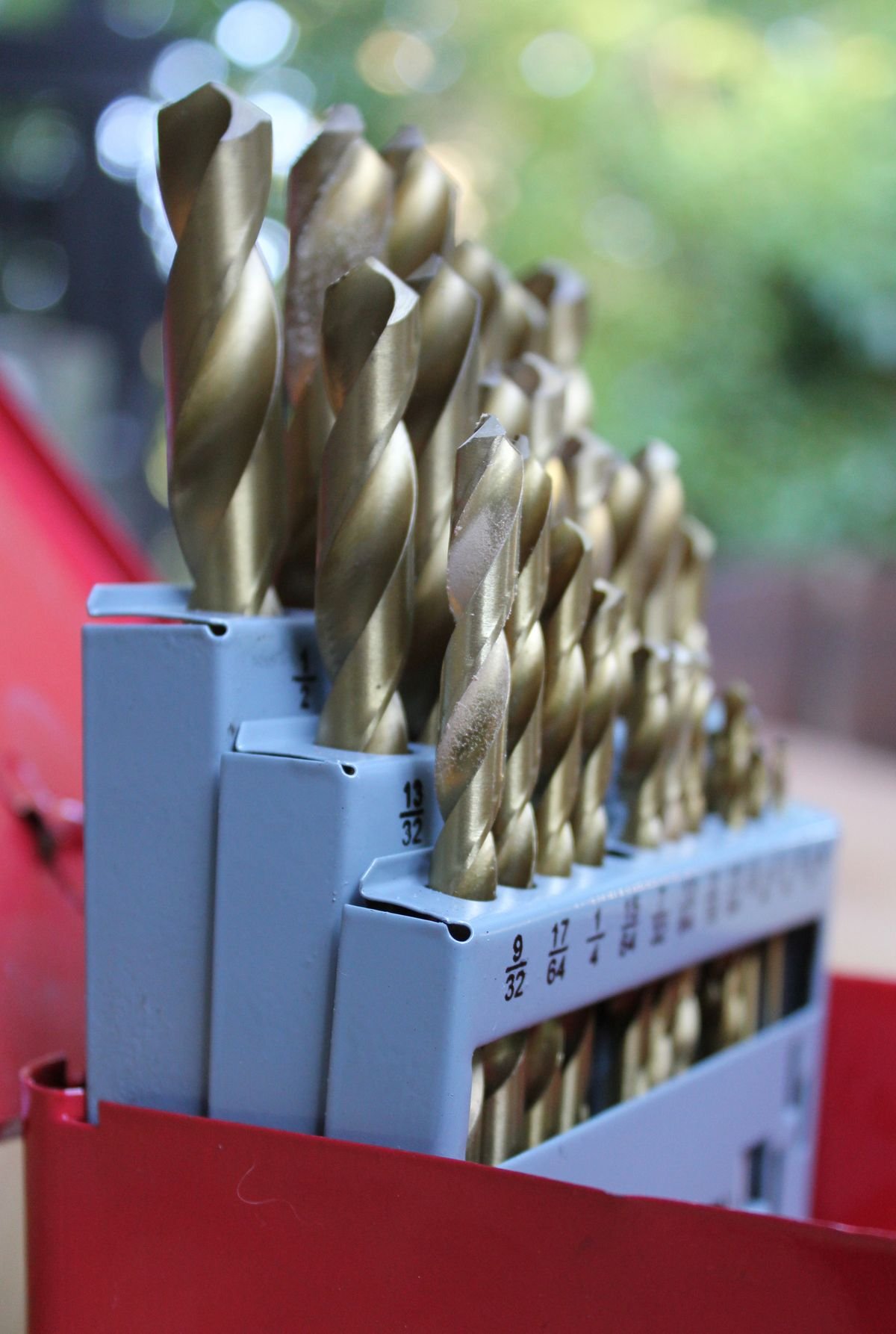
- A quality drill bit set with brad-point bits for wood and twist bits for metal. See our guide to the best drill bits for wood.
- Specialty bits for tile and glass if you work in kitchens and bathrooms — see the best drill bits for glass.
- Spade bits, auger bits or hole saws for large holes (use them with a 1/2-inch drill).
- A mixing paddle for small batches of paint, thin-set or grout (use low speed).
- Clamps or a vise to hold your workpiece securely.
- A drill guide or drill press stand for straight, repeatable holes — see the best drill press stands.
- A properly rated extension cord and safety glasses.
Tips for Using a Corded Drill Safely
- Wear eye protection every time you drill, and hearing protection for long sessions.
- Secure your workpiece with clamps or a vise so it cannot spin.
- Use the side handle on powerful drills, especially with large bits.
- Start slowly to keep the bit from wandering, then increase speed.
- Let the bit do the work. Pushing too hard can overheat the bit and stall the motor.
- Check for hidden pipes and wires before drilling into walls, floors or ceilings.
- Keep the cord behind you and away from the bit.
- Unplug the drill before changing bits.
- Use the right extension cord. Check the drill’s manual for the recommended cord gauge; longer runs and higher-amp drills need heavier cords.
- Avoid loose clothing, gloves near the chuck and jewelry that could catch on a spinning bit.
New to drills? Read our guides on how to use a drill, how to change a drill bit and how to drill straight holes without a drill press.
How to Take Care of Your Corded Drill
- Wipe off dust after each use and keep the motor vents clear.
- Inspect the cord and plug regularly; stop using the drill if the insulation is damaged.
- Keep the chuck clean so bits seat properly.
- Use sharp bits; dull bits overload the motor.
- Store the drill in a dry place.
Frequently Asked Questions (FAQ)
What is the best corded drill overall?
For most people, the DEWALT DWD112 is the best all-round corded drill. It combines an 8 Amp motor, a 2,500 RPM top speed and a keyless all-metal ratcheting chuck in a compact pistol-grip body.
Which is better, a corded or a cordless drill?
A corded drill is better for long jobs, steady power and lower cost. A cordless drill is better for portability and working away from outlets. If you mostly work in one place, a corded drill is usually the better value.
Does a corded drill have more power than a cordless drill?
A corded drill delivers constant power for as long as it is plugged in. High-end cordless drills can match or exceed many corded drills, but their output depends on the battery and its charge.
What size corded drill do I need?
For general home use, a 3/8-inch drill with 6–8 Amp is enough. For large bits, hole saws or heavy work, choose a 1/2-inch drill with 7.5 Amp or more.
Can I use a corded drill as a screwdriver?
Yes. Every drill in this list has a variable-speed trigger and a reverse switch, so you can drive and remove screws. Most corded drills have no clutch, so start slowly and stop as the screw seats.
Can a corded drill drill into concrete?
A standard drill can make small holes in soft masonry with a masonry bit, but it is slow and hard on the bit. For concrete, use a hammer drill or a rotary hammer.
Is a higher RPM always better?
No. High RPM is good for small bits and fast drilling, but large bits, hole saws and metal need lower speeds. Variable speed is more important than maximum RPM.
What is the difference between a 3/8-inch and a 1/2-inch drill?
The number is the largest shank the chuck can hold. A 1/2-inch drill accepts larger bits and is usually more powerful but heavier; a 3/8-inch drill is lighter and faster for everyday jobs.
How long does a corded drill last?
With no battery to wear out, a well-maintained corded drill can last many years. Keep the vents clean, inspect the cord and avoid overloading the motor.
Is a corded drill good for woodworking?
Yes. A corded drill gives steady power for drilling many holes in a row, which is common in woodworking. A fast 3/8-inch drill such as the DEWALT DWD112 is ideal for pilot holes and dowel holes, while a 1/2-inch drill is better for large Forstner bits, spade bits and auger bits. For the most accurate holes, combine your drill with a drill guide or use a drill press.
What extension cord should I use with a corded drill?
Use the cord gauge recommended in your drill’s manual. In general, longer cords and higher-amp drills need a heavier cord (a lower gauge number). An undersized cord can reduce power and overheat, so avoid thin household cords for power tools.
Final Verdict
For most people, the DEWALT DWD112 is the best corded drill: it is fast, compact and has a quality keyless chuck. If you drill large holes often, step up to the DEWALT DWD210G for maximum power, or the Makita 6302H for low-speed control with big bits and mixing.
On a budget, the SKIL DL181901 gives you a 1/2-inch chuck for less, the CRAFTSMAN CMED731 is a simple, reliable home drill, and the BLACK+DECKER DR260C covers light jobs at the lowest cost. If you work in tight spaces, add the Makita DA3010F right-angle drill to your kit.
Specifications are taken from the manufacturers’ product listings and were checked on November 26, 2026. Product details, prices and availability can change.
About This Guide
Drillez first published guides on drills, drill presses and drilling accessories in 2018, and the site focuses on that one topic. For this guide we compared current manufacturer specifications, checked that each drill is still available, and explained clearly where a recommendation is based on published specs rather than hands-on testing. We update our guides when products, specifications or availability change.